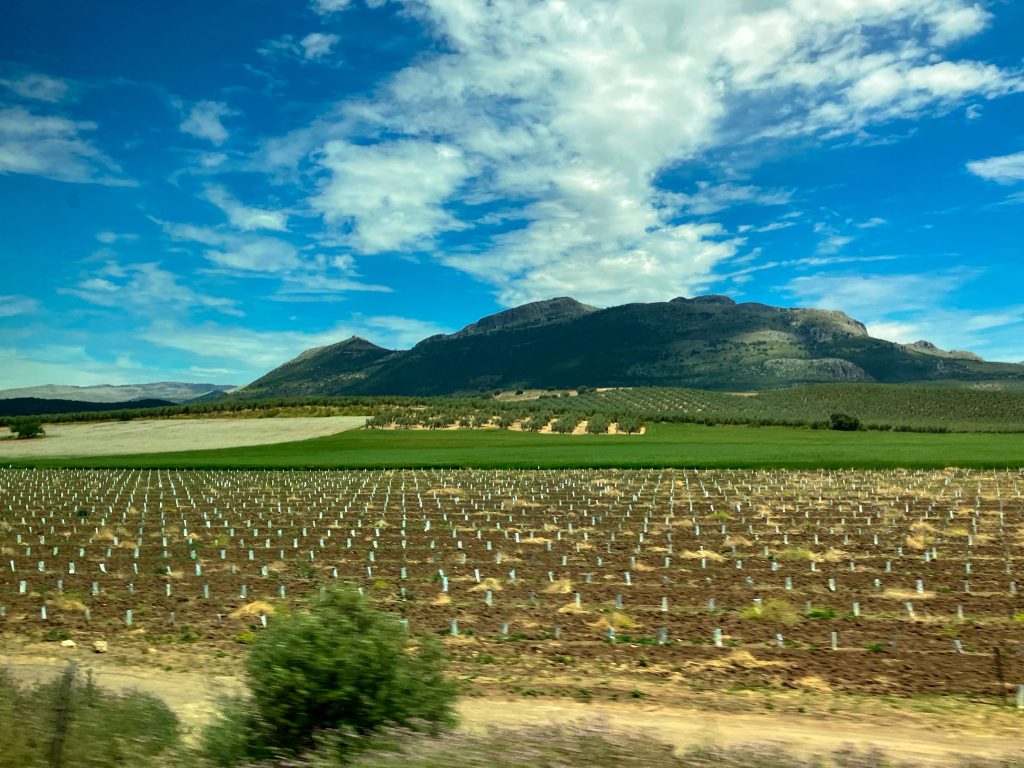
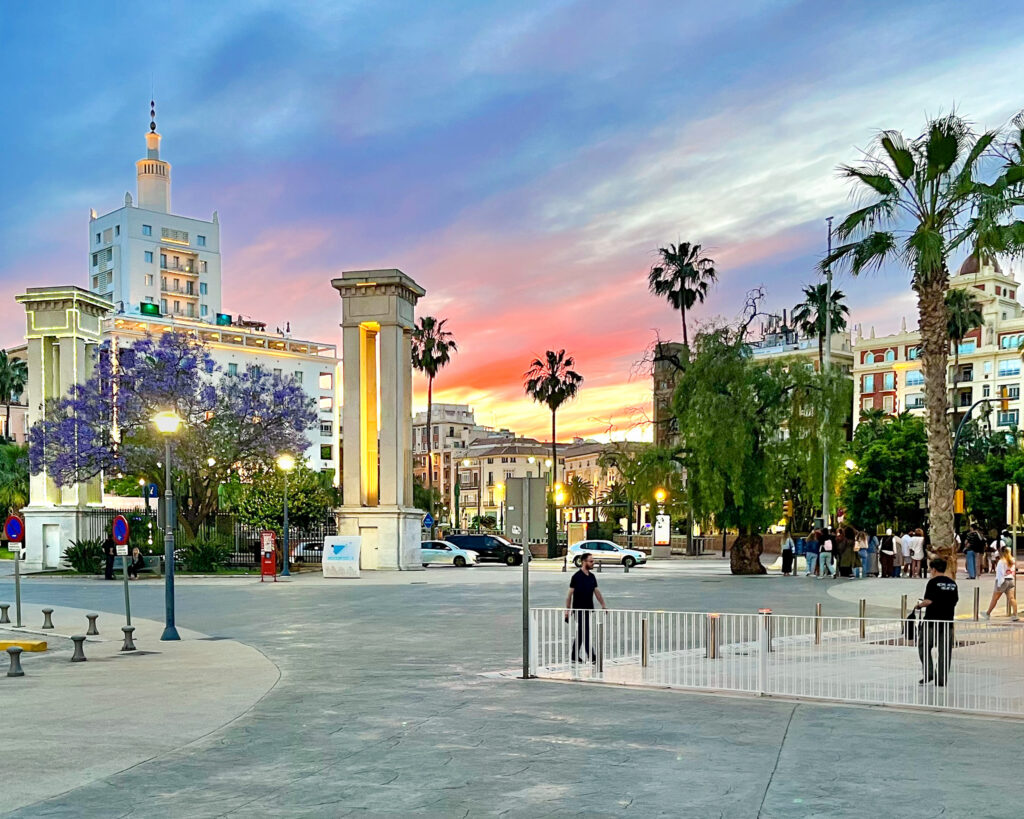
Granada: In the Shadow of the Sierra Nevada
Photography of Granada, a historic Andalusian city shaped by its Moorish heritage, at the foot of the Sierra Nevada and overlooked by the Alhambra. Granada’s old town is very charming, especially the Moorish Albaicín neighbourhood.
As you walk through Granada, the snow-capped peaks of the Sierra Nevada often appear suddenly in the distance, between the buildings. The mountains blend so naturally with the clouds that one often forgets they are there. Granada has more of a continental climate, with often cool winters and very hot summers, while the snow-covered mountains are nearby.
Narrow streets, historic facades and lively squares give Granada a unique atmosphere, while viewpoints across the city reveal changing perspectives of landmarks such as the Alhambra and the surrounding mountains. There is an independent gallery for urban art photography in Granada.
Spanish Architecture and the Gran Vía de Colón
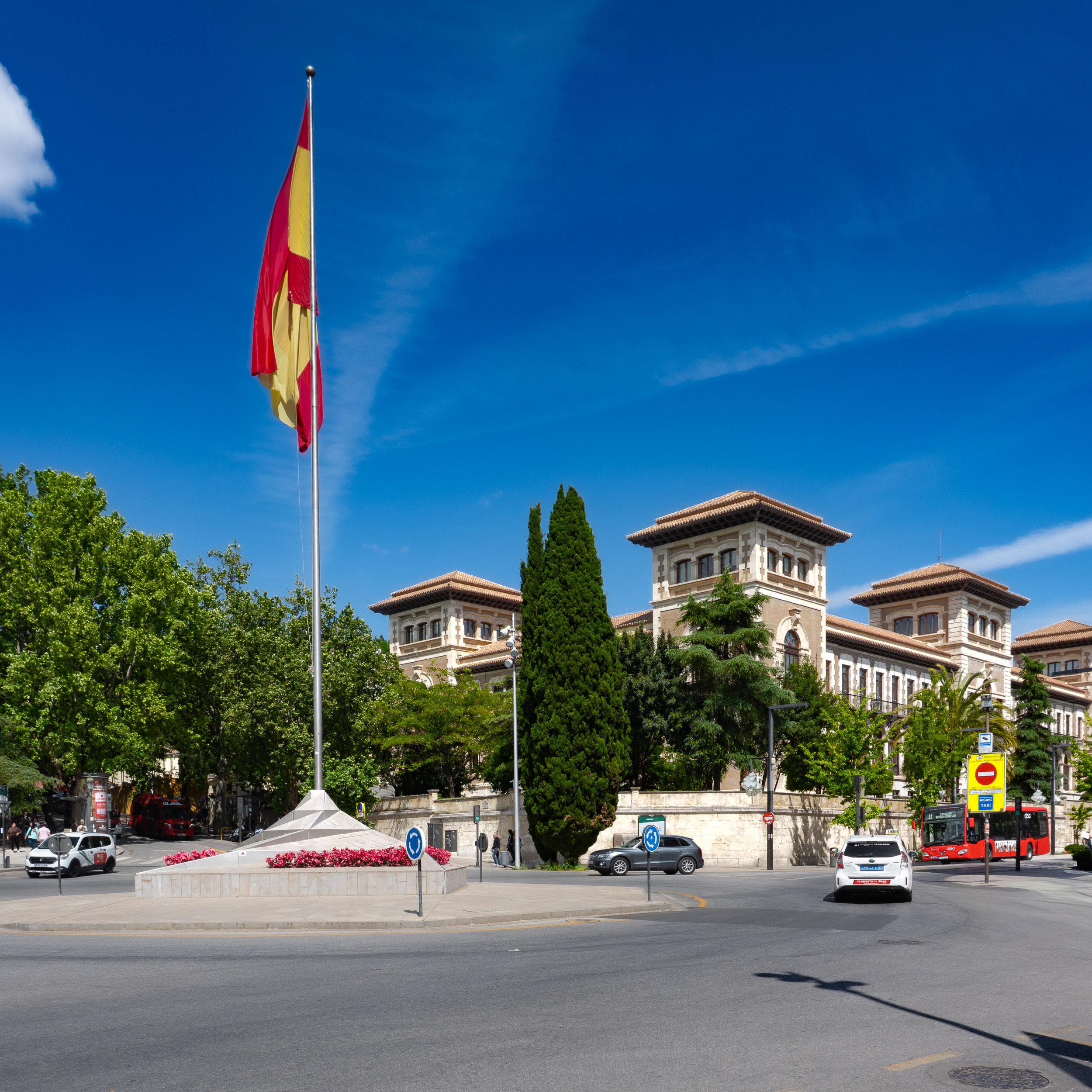
Shown below is the Avenida de la Constitución roundabout, with the Spanish flag and the Granada Territorial Delegation of Education in the background.
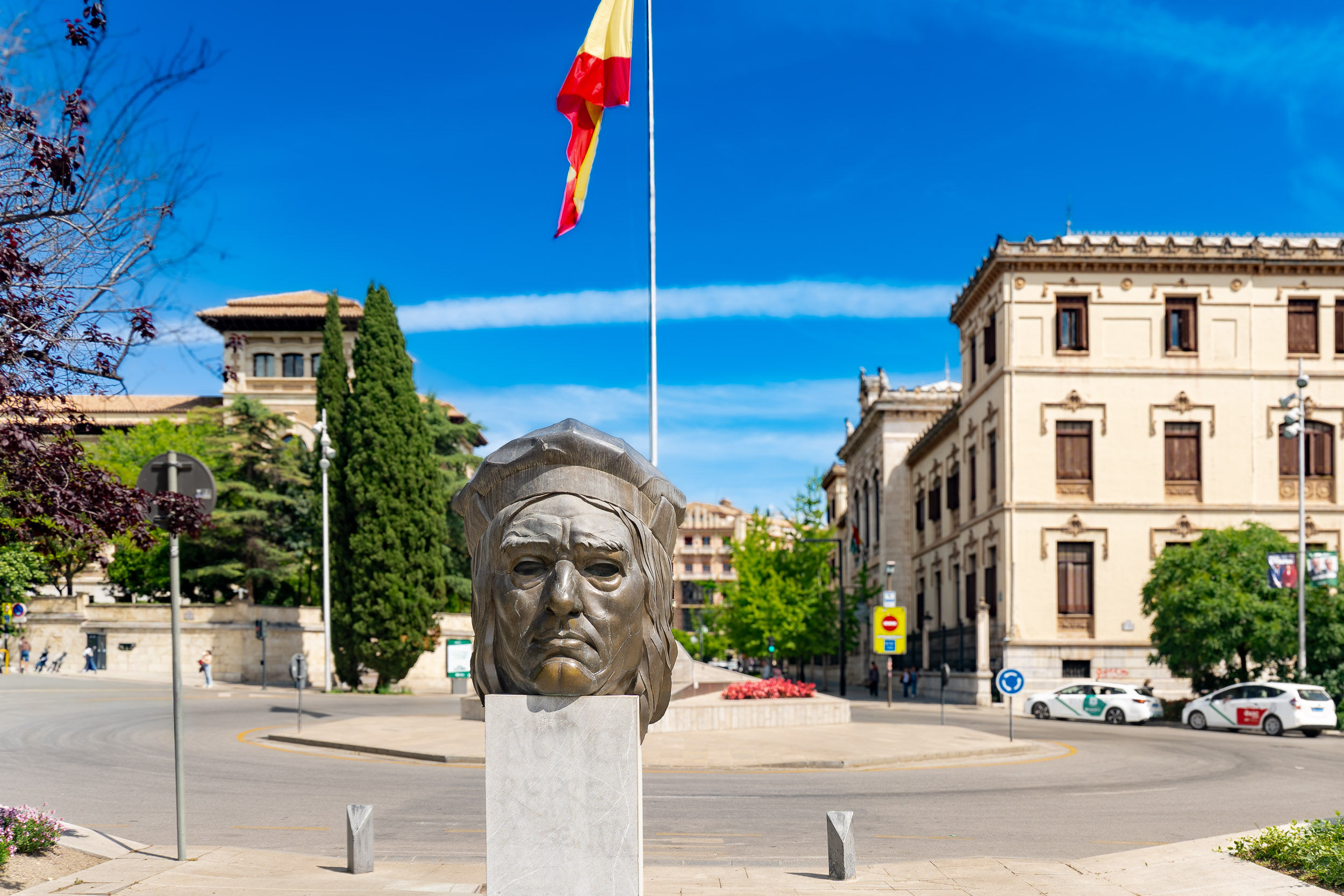
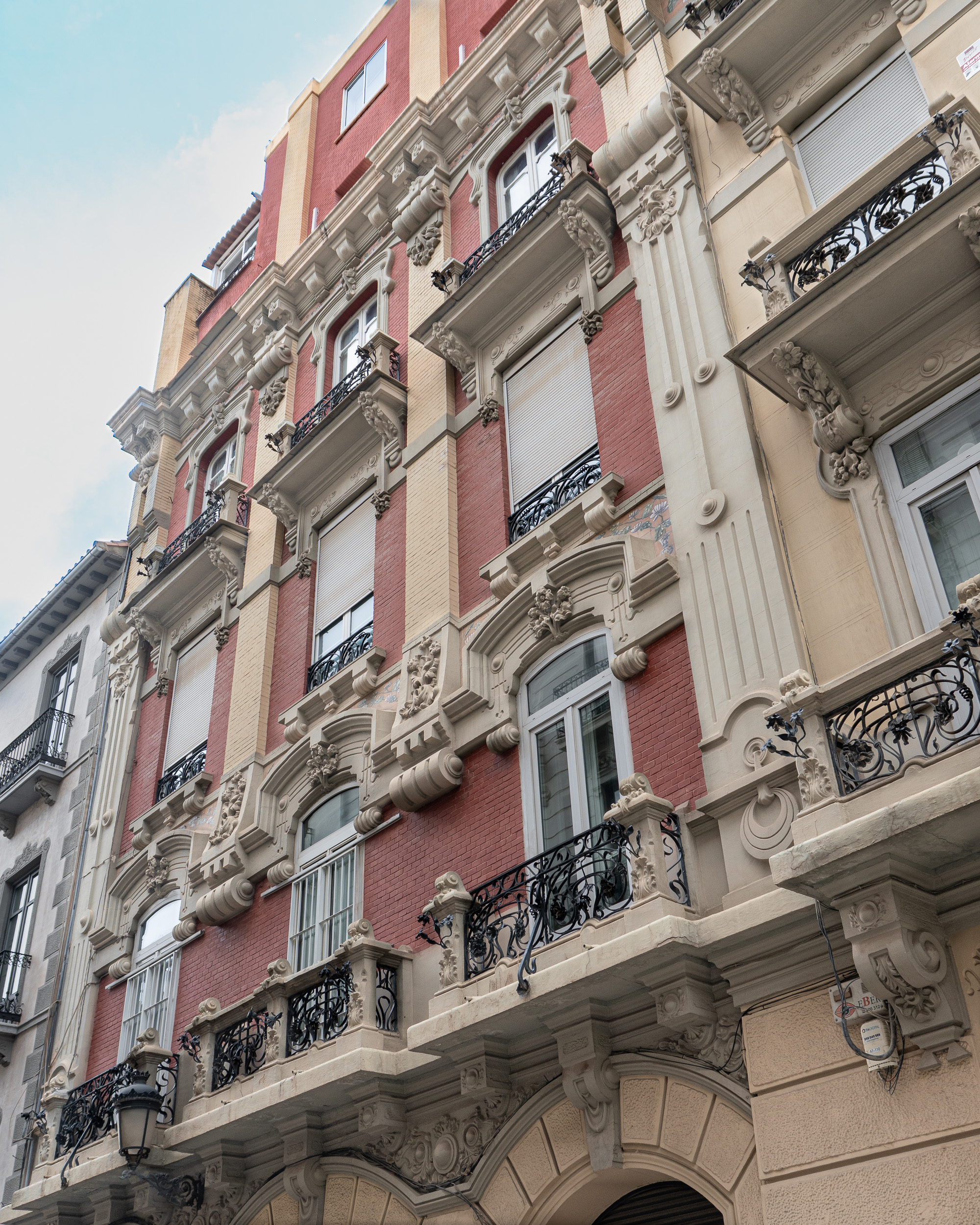
The Gran Vía de Colón is the main thoroughfare running straight through the historic center of Granada and was constructed at the end of the 19th century. The lively boulevard separates the modern shopping streets from the medieval Moorish quarter of Albaicín. The Gran Vía de Colón is like a vast, beautiful open-air museum of impressive eclectic and modernist architecture. Below you can see historic facades on the boulevard.


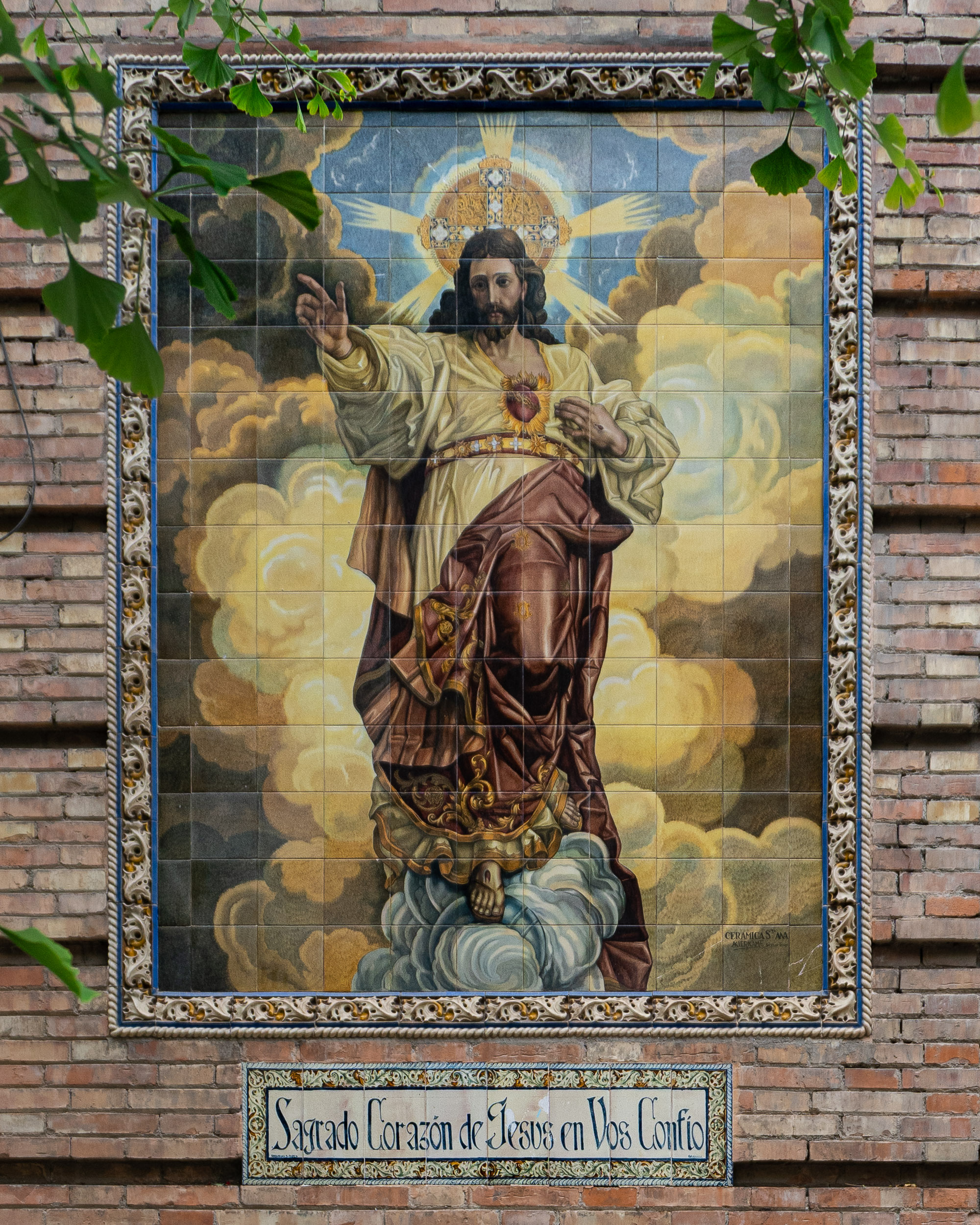

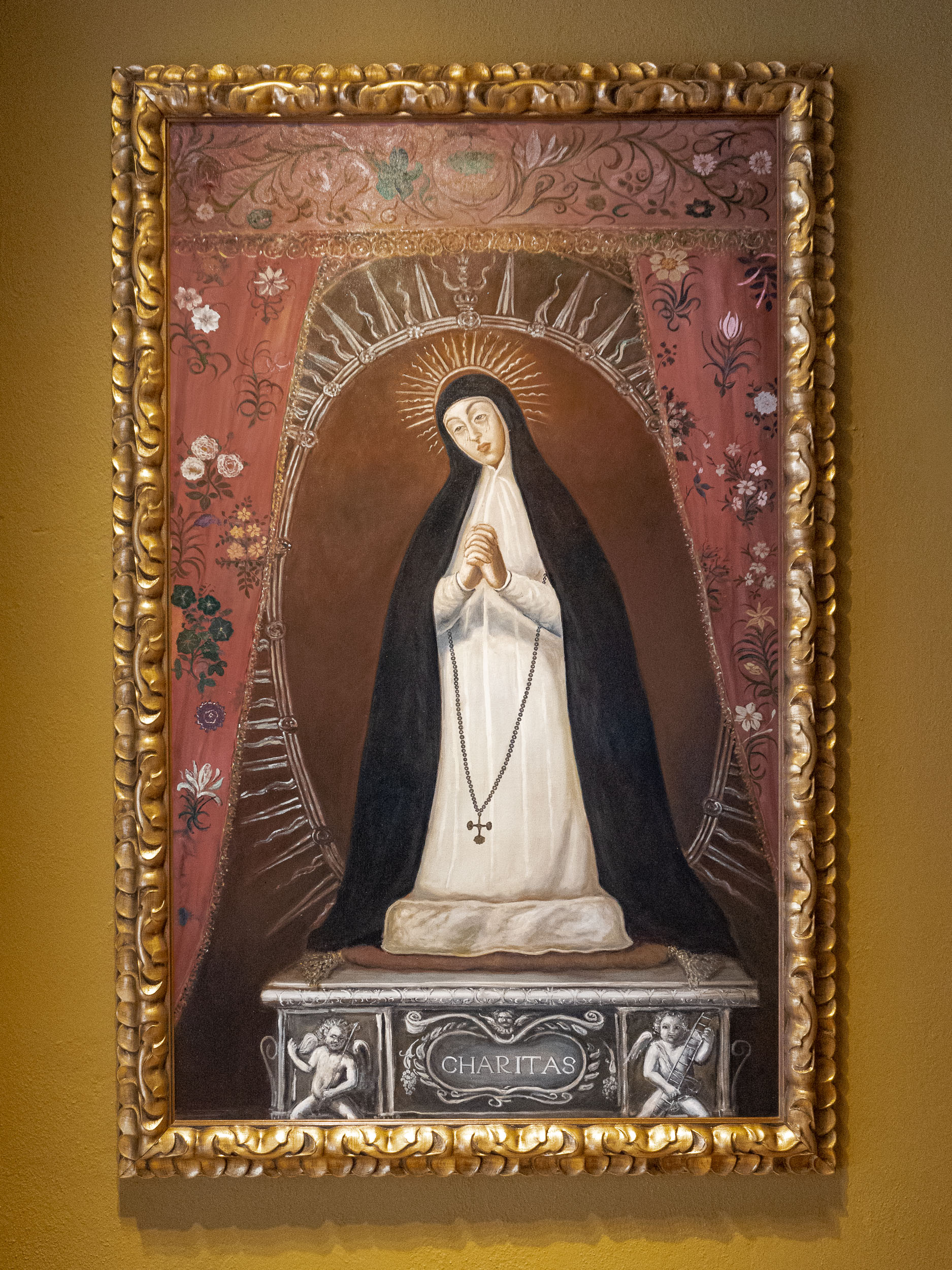
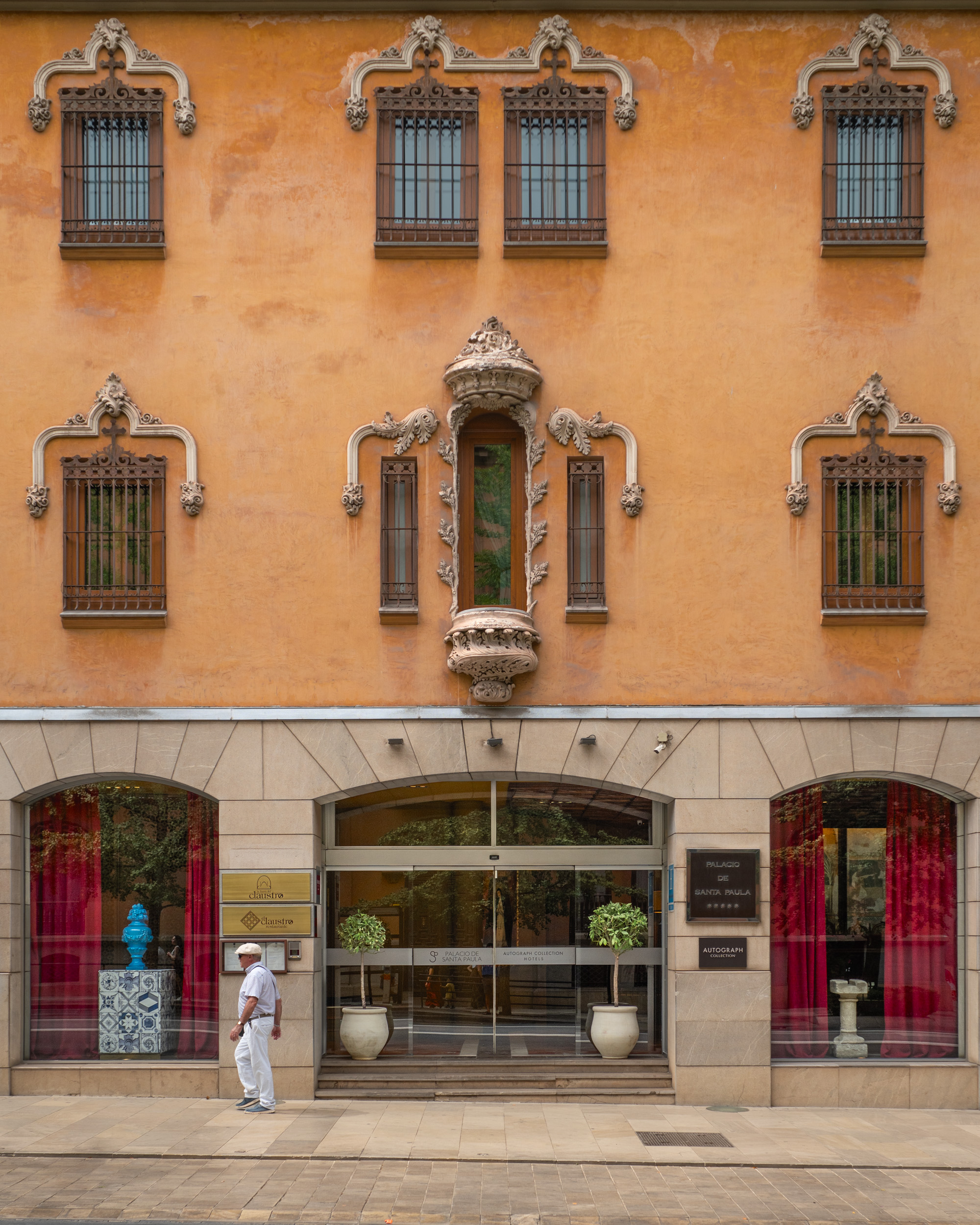
The artwork is located in the Palacio de Santa Paula hotel on the Gran Vía de Colón in Granada. This five-star hotel is housed in a former sixteenth-century convent (Convento de Santa Paula) and boasts a magnificent private collection of historical religious artworks, distributed throughout the cloisters and public areas.

Above: Tower of the Palacio de los Müller on the corner of Gran Vía de Colón and Calle Santa Lucía in Granada in the historic district of Granada. It is designed by architect Ángel Casas Vílchez in a Neo-Plateresque style and was built in 1916. It was not possible to take a full photograph of the magnificent building due to the traffic at the time, but the tower is the most impressive part of the Palacio de los Müller.
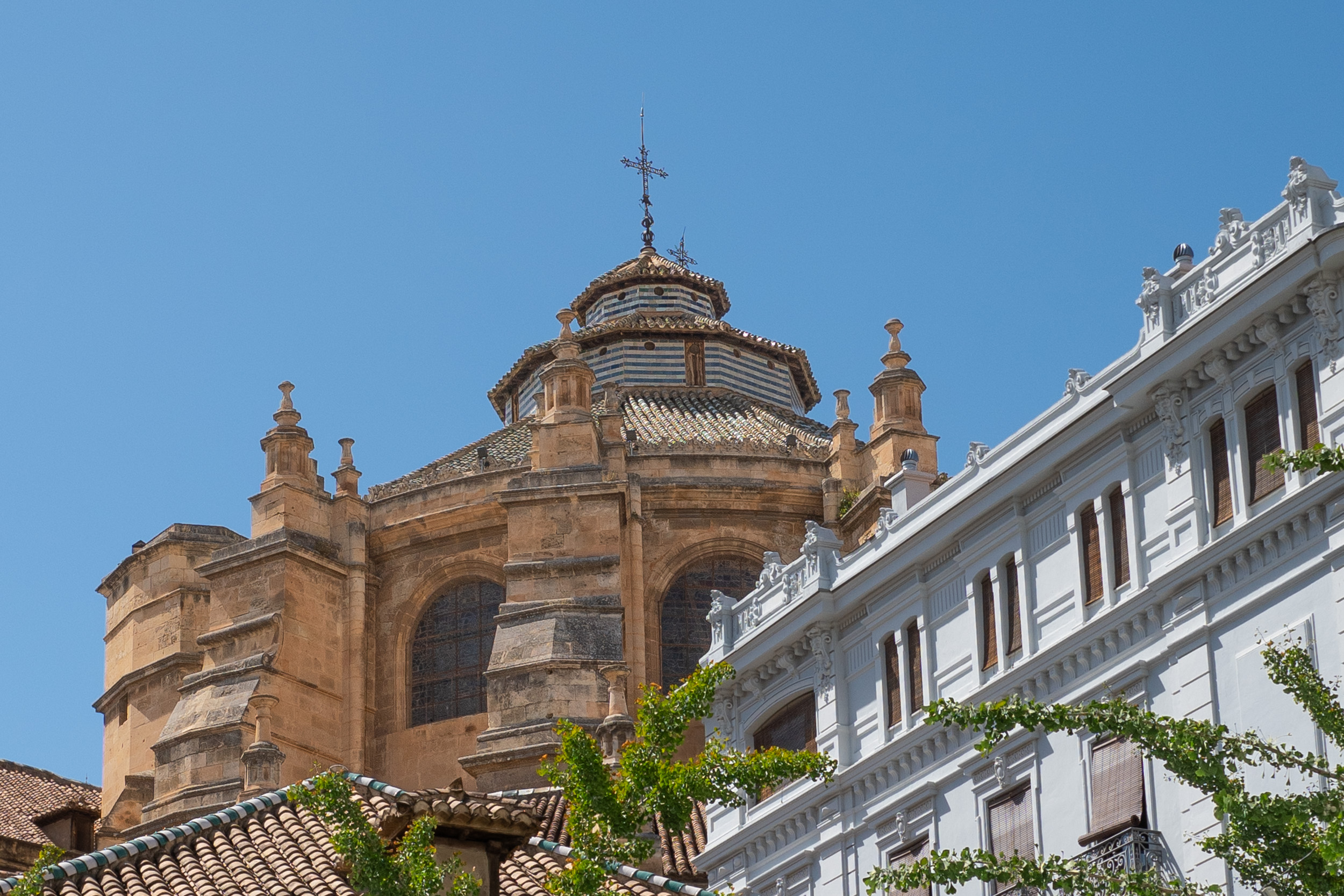
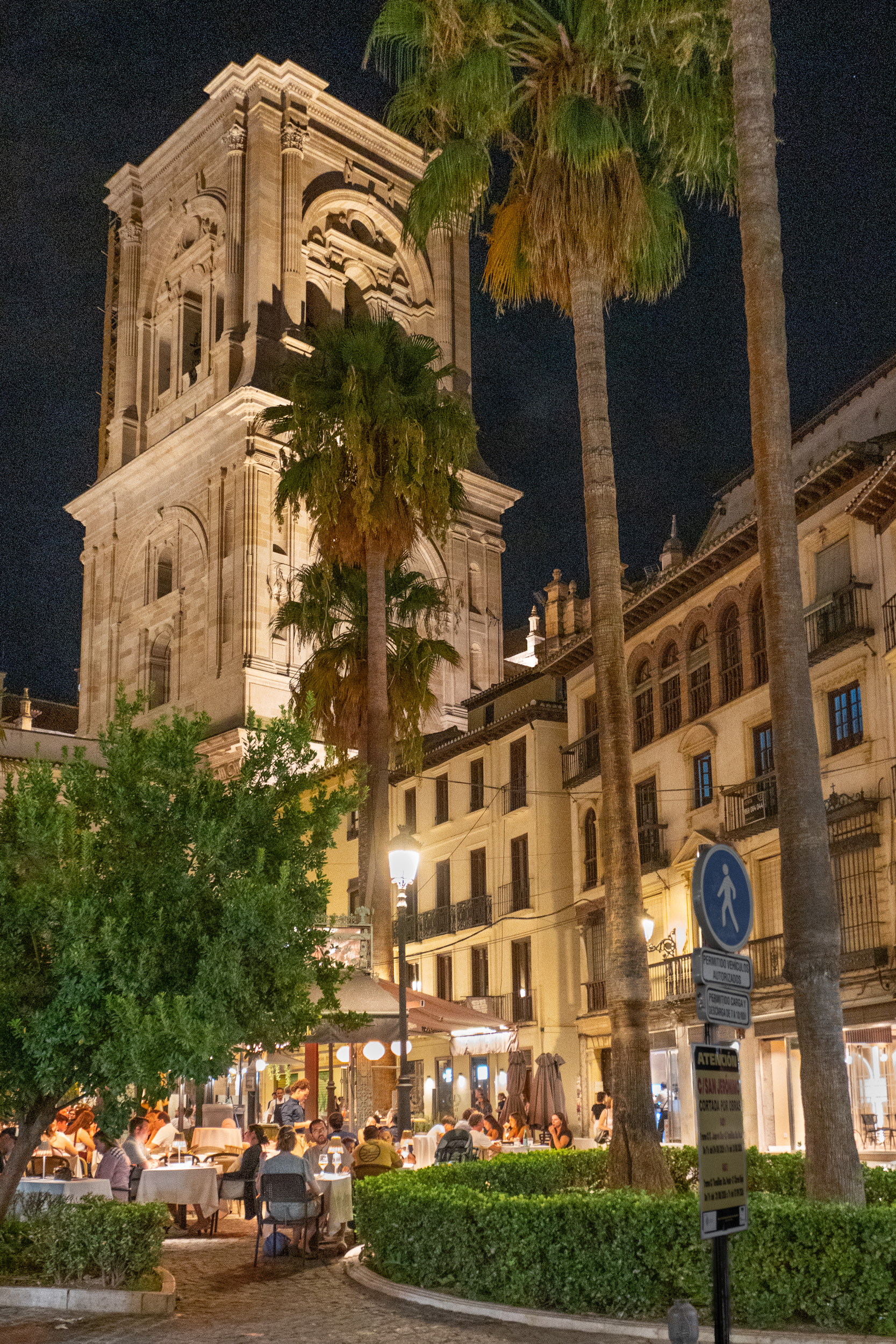
For panoramic views of the city, the rooftop terrace of the Eurostars Gran Vía hotel—located on Gran Vía de Colón—is well worth a visit. From there, you can admire iconic landmarks such as the Granada Cathedral (photo below) and the Alhambra, situated on the city’s hills (see the next section).

Moorish Granada: Puerta de Elvira, the Albaicín and the Alhambra
Granada was once a Moorish residence city. In 1238, the Kingdom of Granada was founded, which continued to exist for more than 250 years and developed into an important commercial and cultural centre. For centuries, the city was shaped by its Islamic past, traces of which can still be seen today in its gates, streets and monuments.

The Puerta de Elvira, shown in the photo above, was one of the main gateways to historic Granada and once formed the northern entrance to the city. In the photo below is the Alhambra, the world-famous “red fortress”, which still overlooks Granada and the Sierra Nevada.
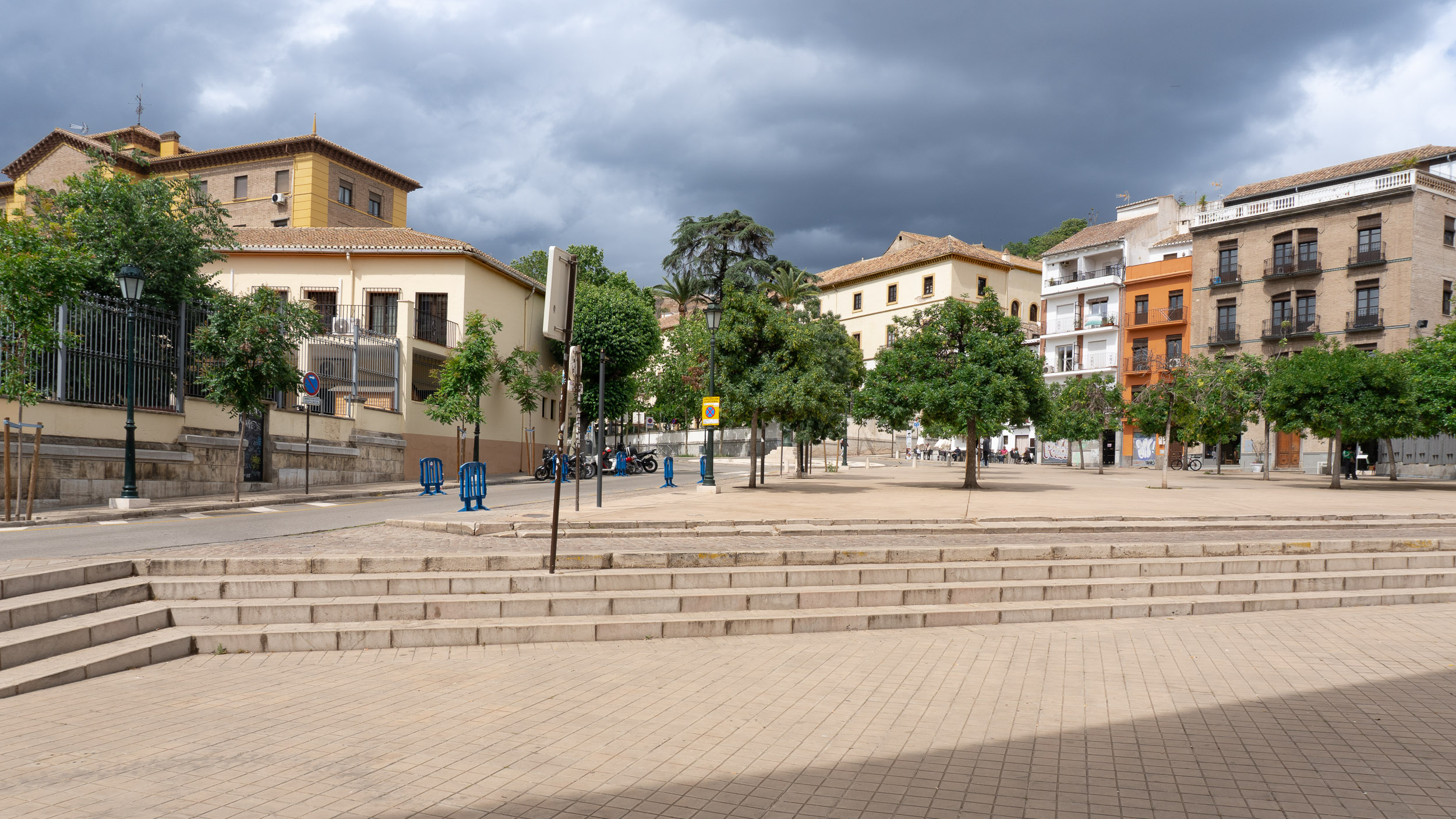
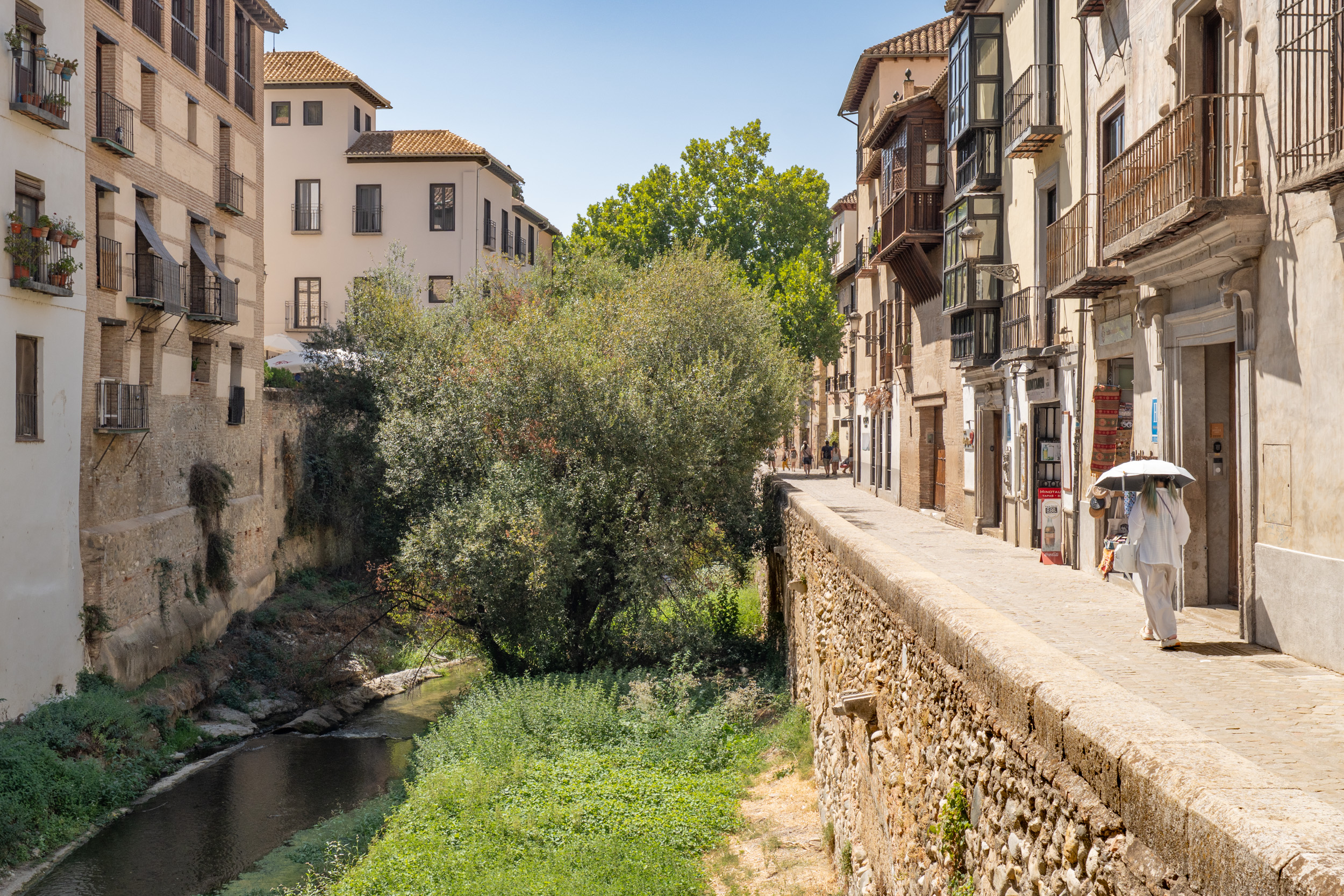
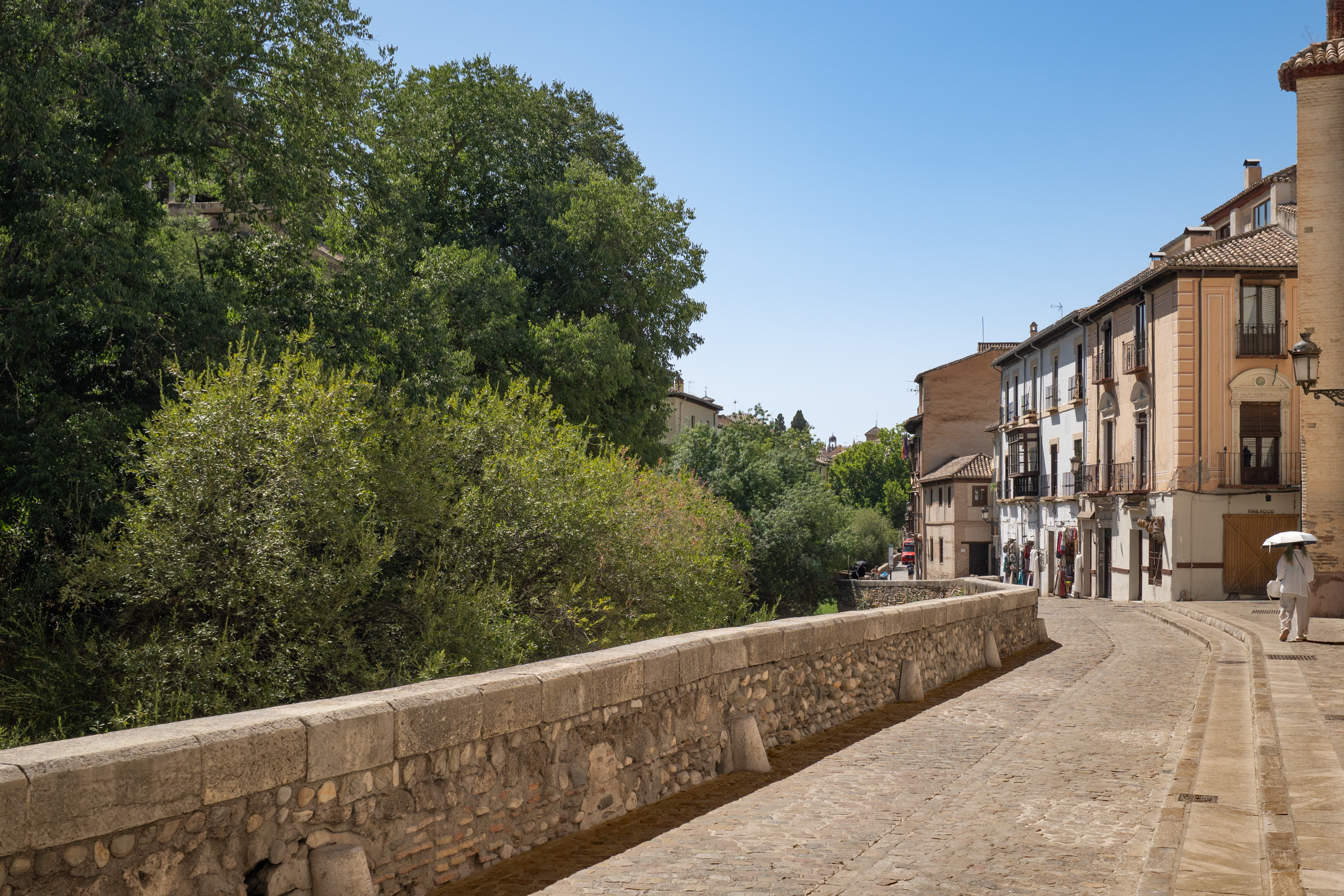
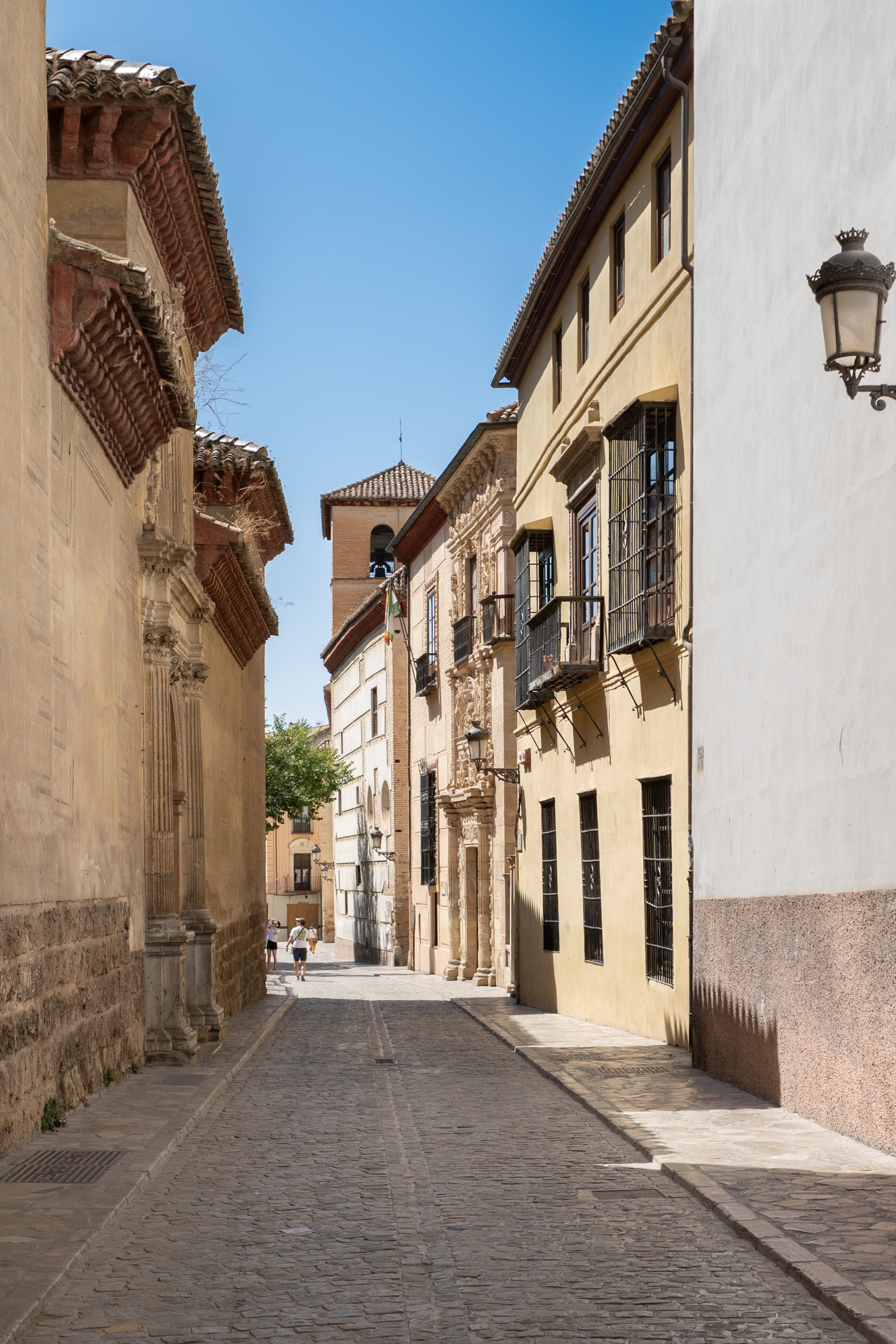
The Puerta de Elvira provides access to the Albaicín neighborhood. The Albaicín is Granada’s historic Moorish quarter, famous for its narrow cobblestone streets, white houses, and direct views of the Alhambra.

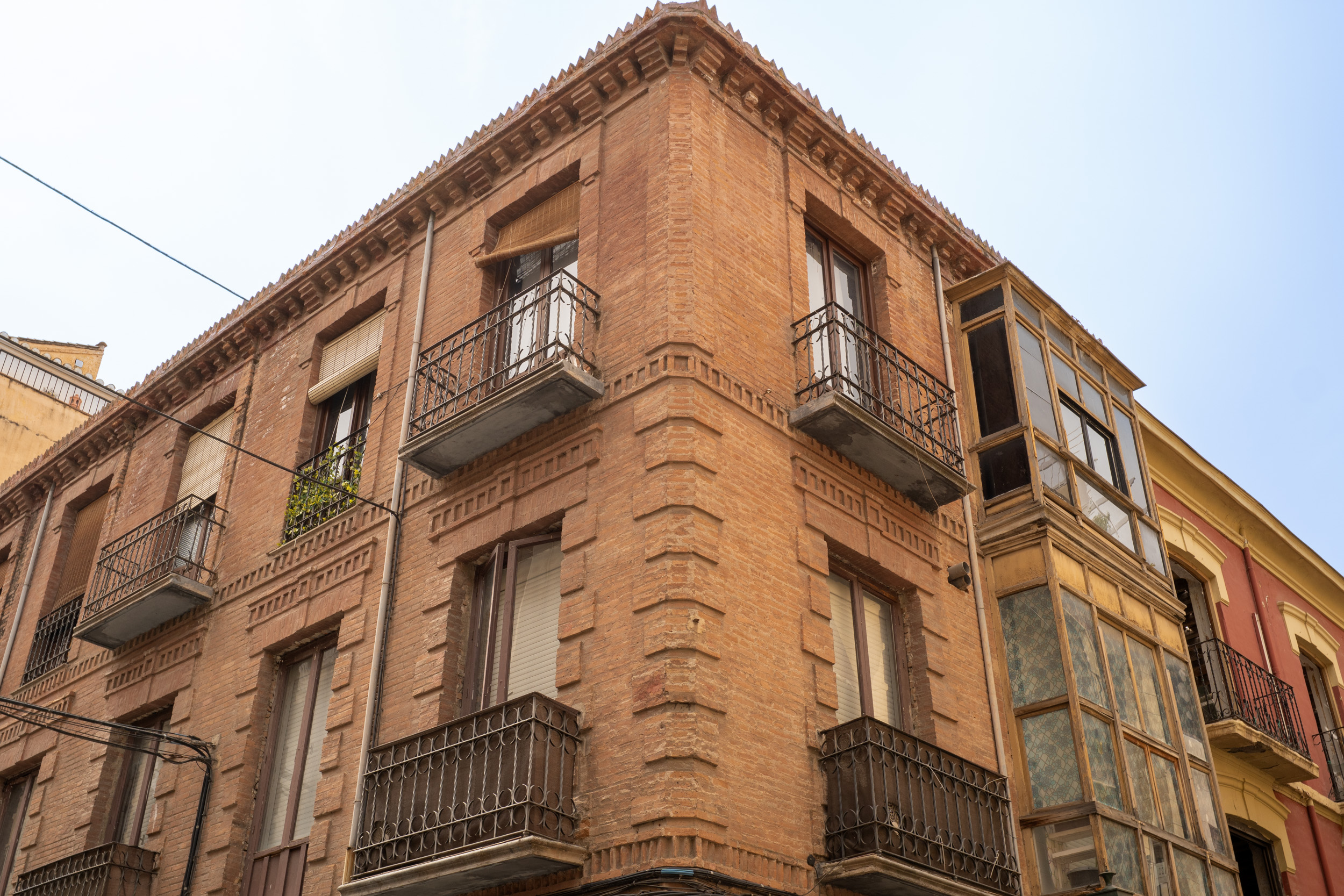
Calle Elvira is a central historic street in the old quarter of Granada known for its Moorish architecture, Moorish tea houses (teterías), lively tapas bars, and atmospheric shops (see below). It connects Plaza Nueva with the historic city gate Puerta Elvira.

Calle Elvira is very relaxing for a stroll, having a coffee, or visiting shops—sometimes touristy, but lovely. Outside of the summer season or holiday periods, Granada is not overrun with international tourists, giving it a more authentic Spanish atmosphere—ideal for practicing the language.

Departing from Federico García Lorca Granada-Jaén Airport
Below you can see some photos of Federico García Lorca Airport in Granada: of the access road and terminal building, the departure hall and the runway with the Sierra Nevada mountains in the background. Federico García Lorca Granada-Jaén Airport is located 15 km west of Granada, near Chauchina in Andalusia. The airport is named after the poet Federico García Lorca. It also serves the city of Jaén, situated 100 km north of the airport.
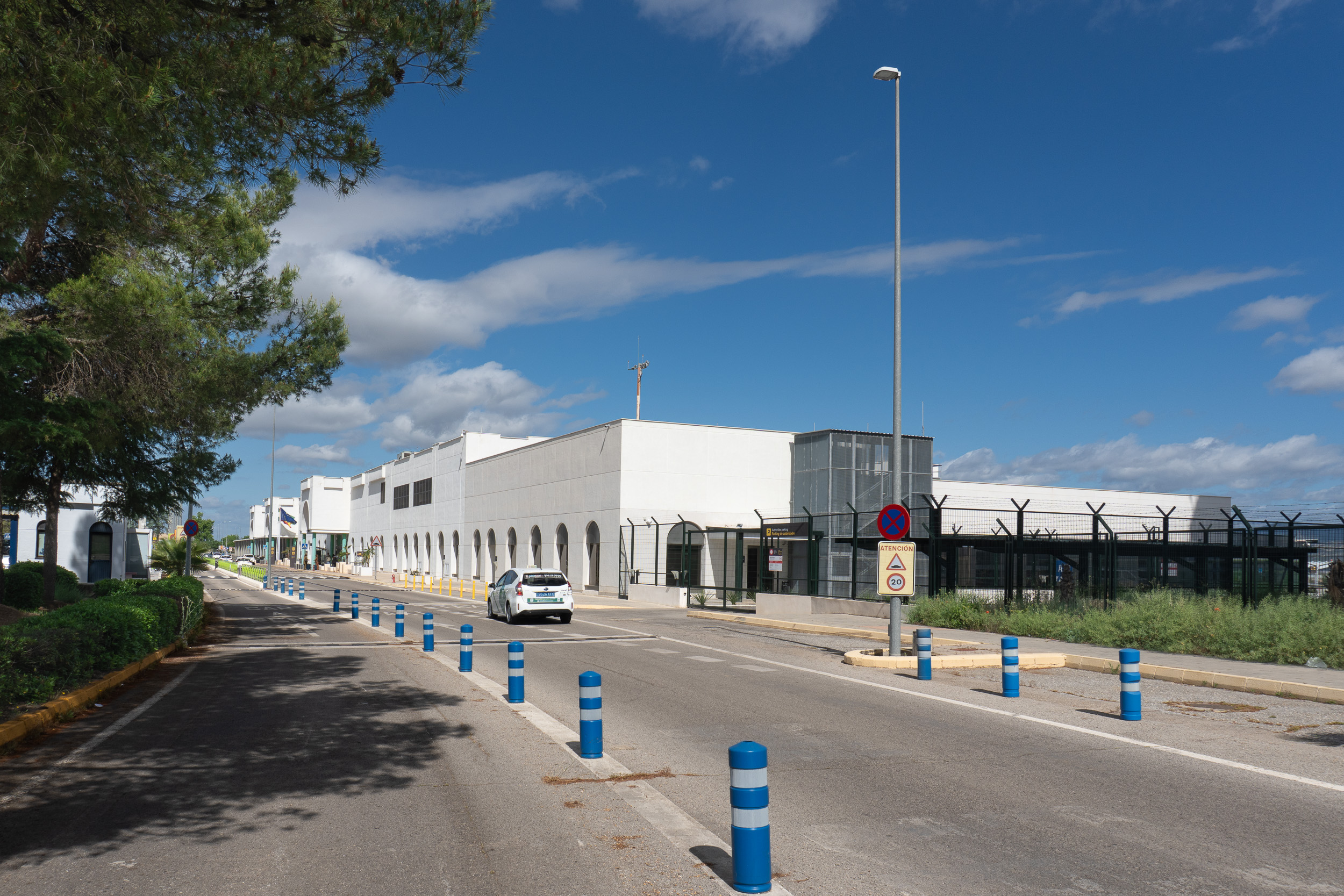
Federico García Lorca Granada-Jaén Airport (GRX) is very welcoming, easy to navigate, and primarily handles domestic flights. It is a small, compact, and functional airport. With only one passenger terminal, you won’t have to deal with long security lines, overwhelming crowds, or long walks.