Touristification in Málaga’s La Trinidad neighbourhood
Article / Opinion
July 11, 2026
Andaluseeya mainly presents Málaga through photography, but photographing a city also means observing how it changes. La Trinidad is one of the neighbourhoods where the contrast between local character, urban redevelopment and growing tourism is becoming increasingly visible. This article is based on an article from La Opinión de Málaga, a newspaper published in Málaga (see source below).
A historic neighbourhood under pressure
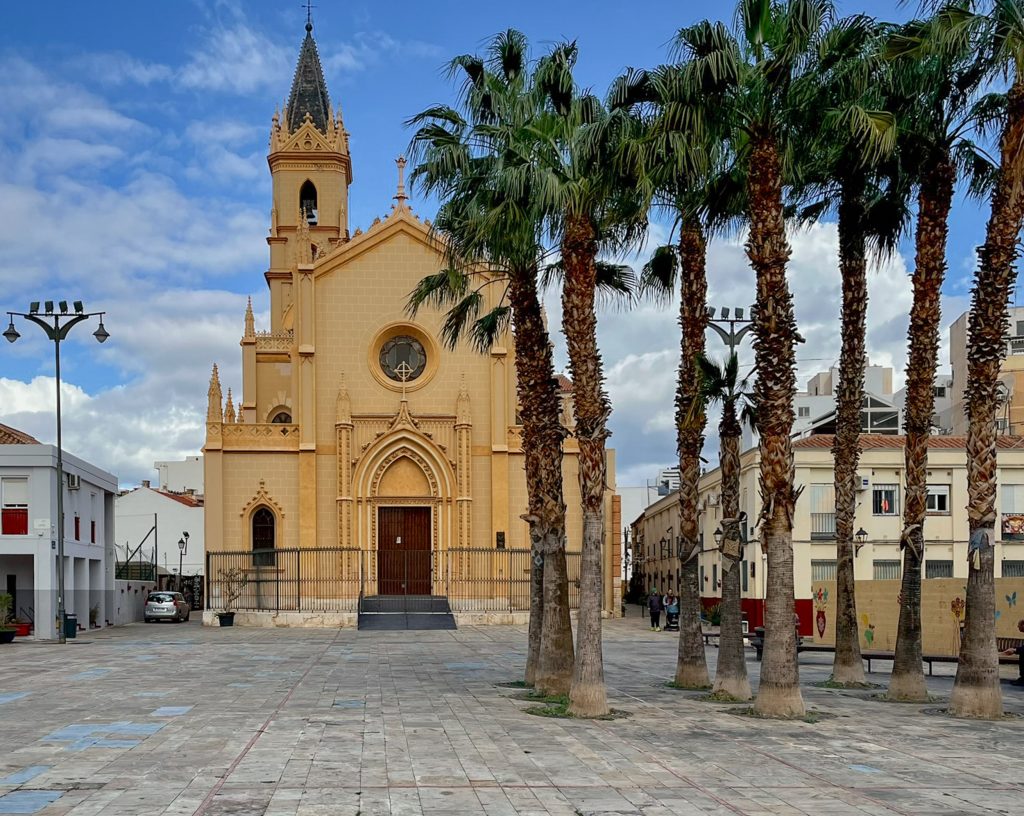
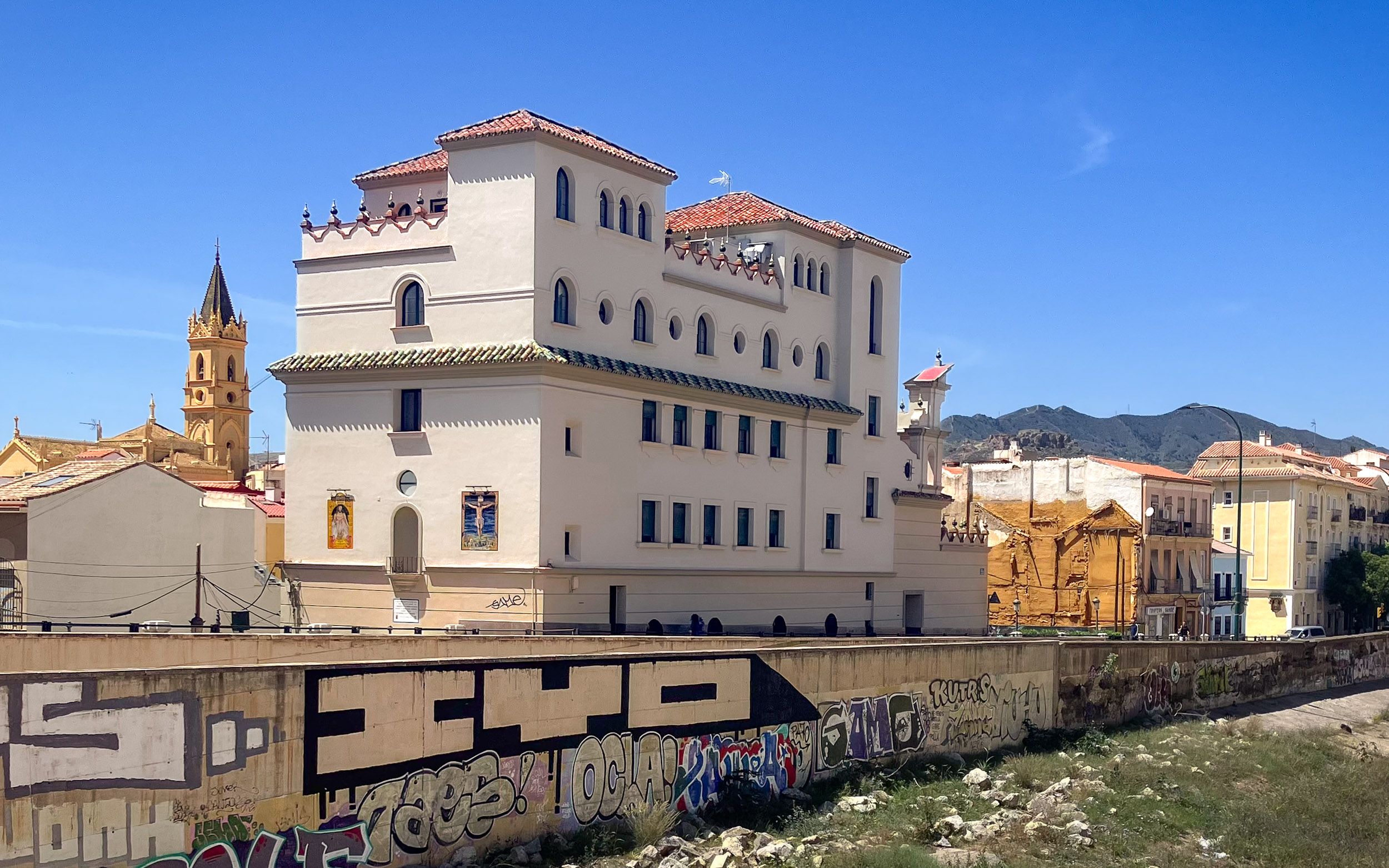
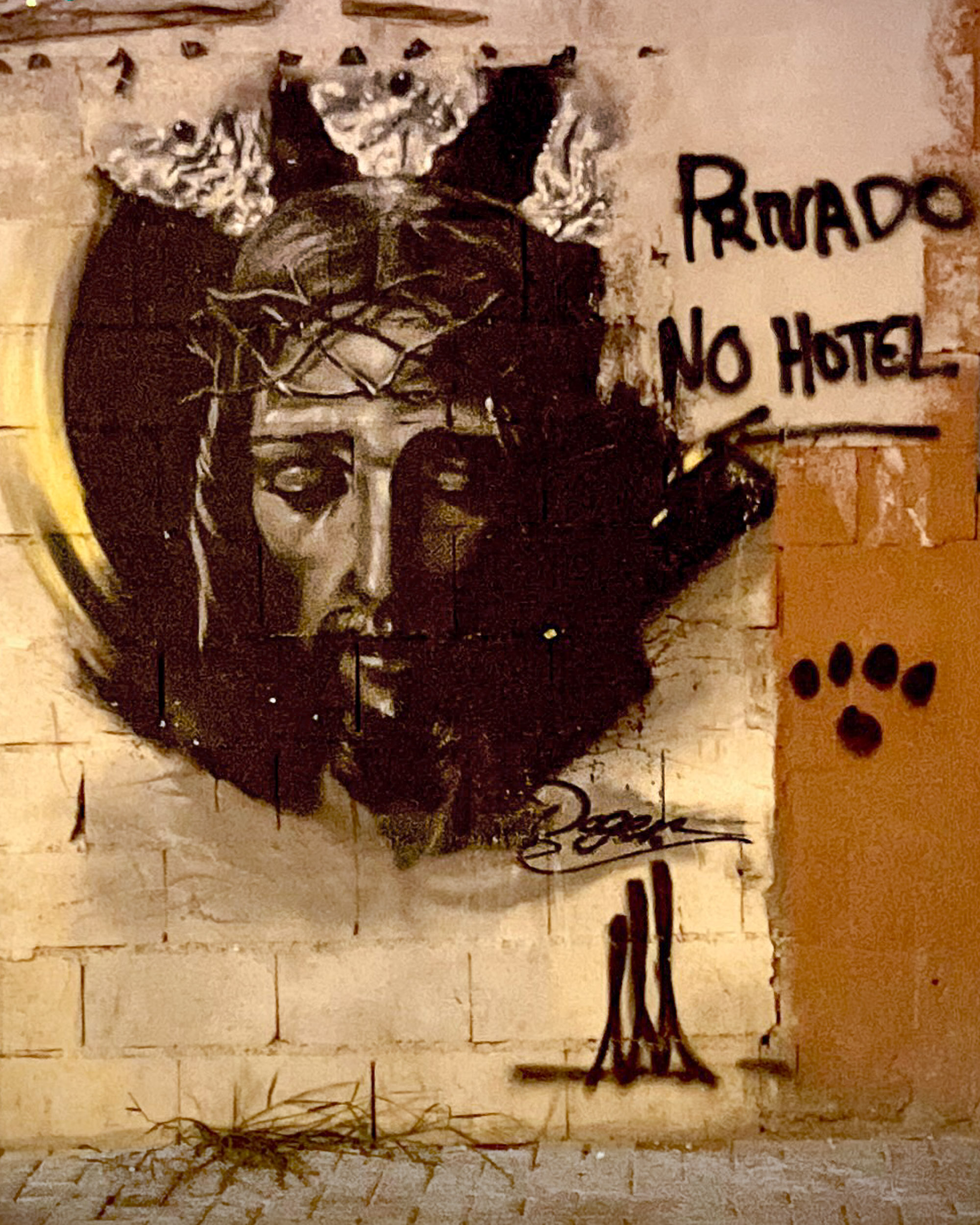
Málaga’s La Trinidad neighbourhood lies just across the Guadalmedina River, only a few minutes’ walk from the city centre. It is a historic, traditional neighbourhood characterised by quiet narrow streets, beautiful churches and a strong local atmosphere. Like the nearby Lagunillas district, La Trinidad is also known for its many murals and graffiti works by local street artists.
Because of the rapid growth of tourism and the lack of available space in Málaga’s historic centre, La Trinidad is becoming increasingly attractive to developers of tourist accommodation. For years, platforms such as Booking and Airbnb have offered apartments and small houses in the neighbourhood, often advertising them as being “in Málaga city centre”.
The financial incentive for owners is clear. A modest apartment in La Trinidad might rent for around €900 to €1,200 per month on the residential market. As tourist accommodation, at roughly €90 to €130 per night, it could generate around €1,800 to €2,800 in a well-occupied month before expenses. Those figures are just an example and are not based on statistics. This explains why many owners choose platforms such as Airbnb and Booking instead of long-term rental.
Radisson RED and a new phase of “touristification”
However, the “touristification” of La Trinidad is now moving into a new phase. A new Radisson RED hotel is under construction and is expected to open in 2027. Several additional tourist-apartment projects are also being planned, as well as a road extending Juan de Herrera Street to Trinidad Street.
For visitors, this may seem like good news. They will have more opportunities to stay close to the city centre while experiencing a neighbourhood that still retains an authentic local character. From the outside, the area may also appear to be improving. Previously unused or abandoned plots are being developed, streets may look cleaner, and new buildings can give the neighbourhood a more modern appearance.
The urbanisation of La Trinidad, which has a village-like atmosphere, is proceeding very rapidly. These developments come at a high cost for local residents. Property prices and rents rise, while the supply of homes available for long-term residence decreases. As a result, buying or renting a home becomes increasingly unaffordable in relation to average local salaries.
The neighbourhood risks losing more than its traditional character. Residents may be pushed towards the outskirts of Málaga or even into smaller towns and villages outside the city, where employment opportunities are scarcer and daily commuting becomes necessary.
New hotels and tourist apartments can create employment for construction workers, hotel employees, cleaners and other local service providers. They may also generate tax revenue. However, ownership and investment are often based outside Málaga or outside Spain, meaning that a significant share of the profits may leave the local economy.
The Radisson RED project, for example, is being developed by White Spain, an Israeli investment group that already owns several tourist-accommodation properties in Málaga’s city centre, including the former Hospital of Santo Tomás.
The possibility of additional employment offers little consolation when rents rise disproportionately and the supply of residential housing continues to fall. The touristification of La Trinidad, and of Málaga more generally, is worsening an already serious housing crisis. Similar pressures can also be seen in other Spanish cities, including Barcelona.
This is known as gentrification, a phenomenon in which investment attracts more affluent residents. Real estate prices and the cost of living rise to such an extent that the original working-class population is displaced.

Opposition groups ask for a moratorium
The municipal opposition group Con Málaga has therefore called on Málaga City Council to introduce an immediate moratorium on licences for new tourist apartments, similar to the restrictions already applied to registered holiday-rental homes.
The problem is no longer limited to the historic centre or La Trinidad. Tourist accommodation is also expanding in residential districts such as El Palo, in the eastern part of the city.
Con Málaga has proposed a moratorium of at least three years. This would temporarily halt the approval of new licences and allow the city to carry out a saturation study examining the impact of tourist apartments on Málaga’s housing supply and rental prices.
Without stronger regulation, neighbourhoods such as La Trinidad may become more attractive to visitors while becoming increasingly inaccessible to the people who live and work there.
Source: Ignacio A. Castillo, “La Trinidad se transforma en una ‘ciudad de vacaciones’ a cinco minutos del Centro”, La Opinión de Málaga, updated 16 February 2026.
This article also includes personal observations and commentary by Andaluseeya.
Recently an article was published in the local newspaper El Sur in English about another planned tourist accommodation in La Trinidad:
Malaga plans yet another tourist accommodation project in La Trinidad area (El Sur in English, May 19th 2026)
Related articles
The rise of tourism in Andalucía and its impact today