The rise of tourism in Andalusia and its impact today
Article
July 12, 2026
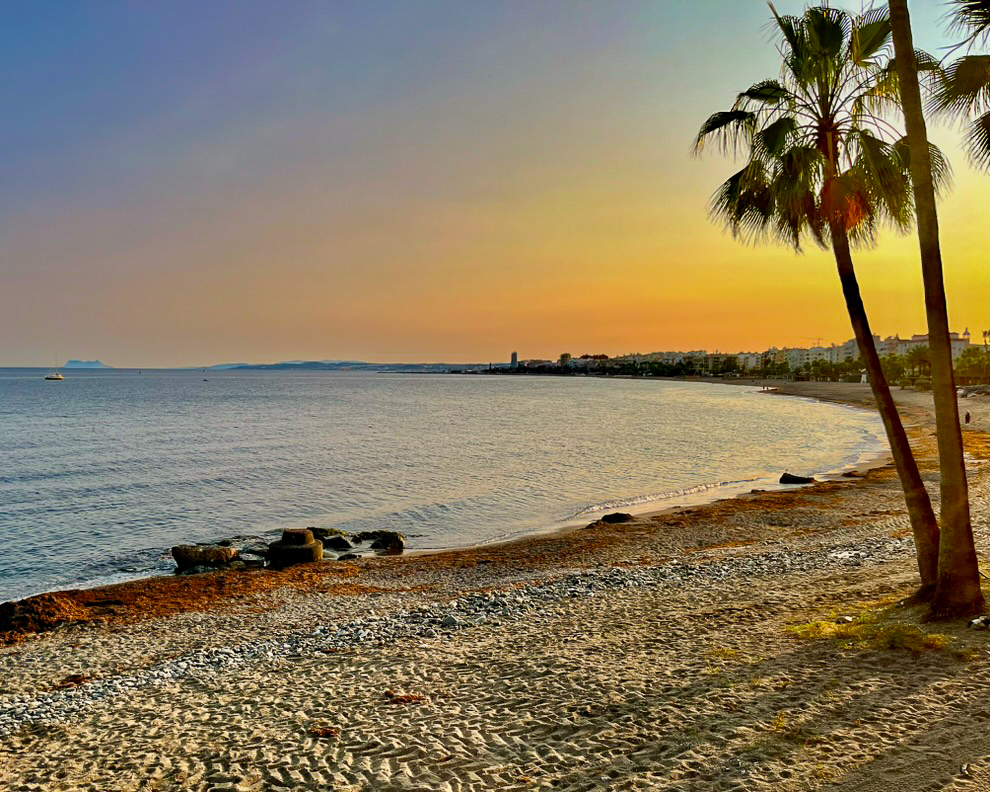
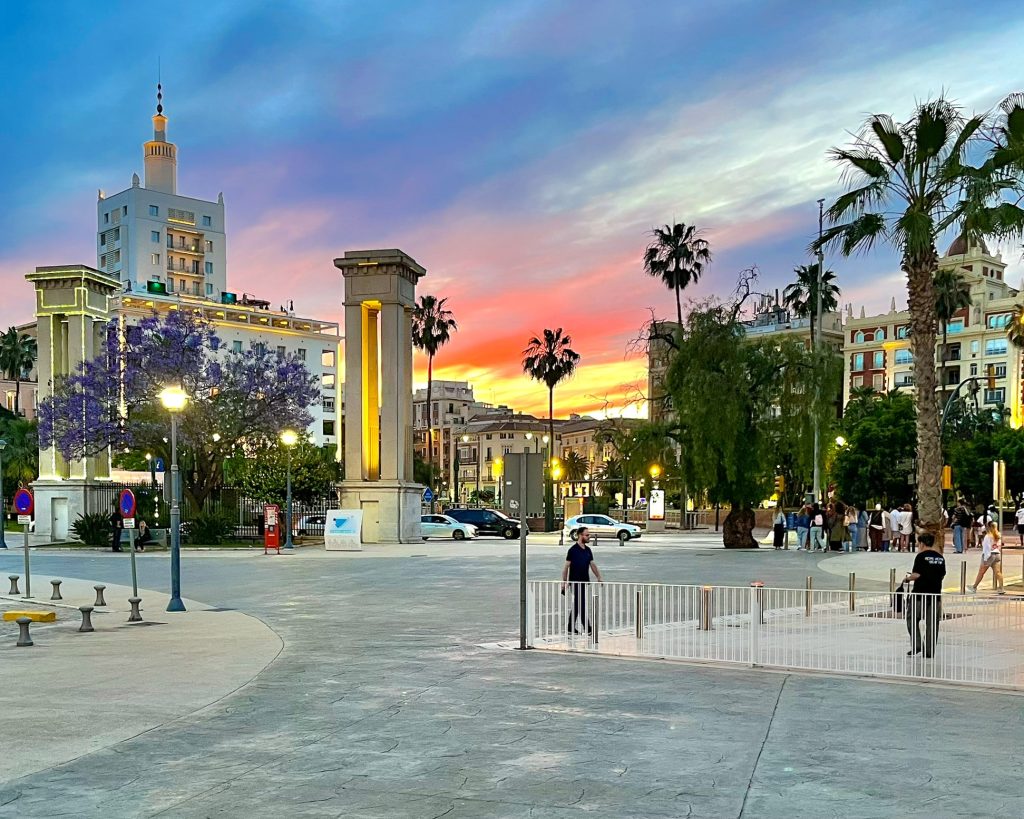
Andalusia and its Costa del Sol in the south of Spain form one of Europe’s best-known tourist destinations. Its beaches, historic cities such as Málaga, climate, landscapes and cultural heritage attract millions of visitors. Tourism has brought the region employment, investment and a positive international image.
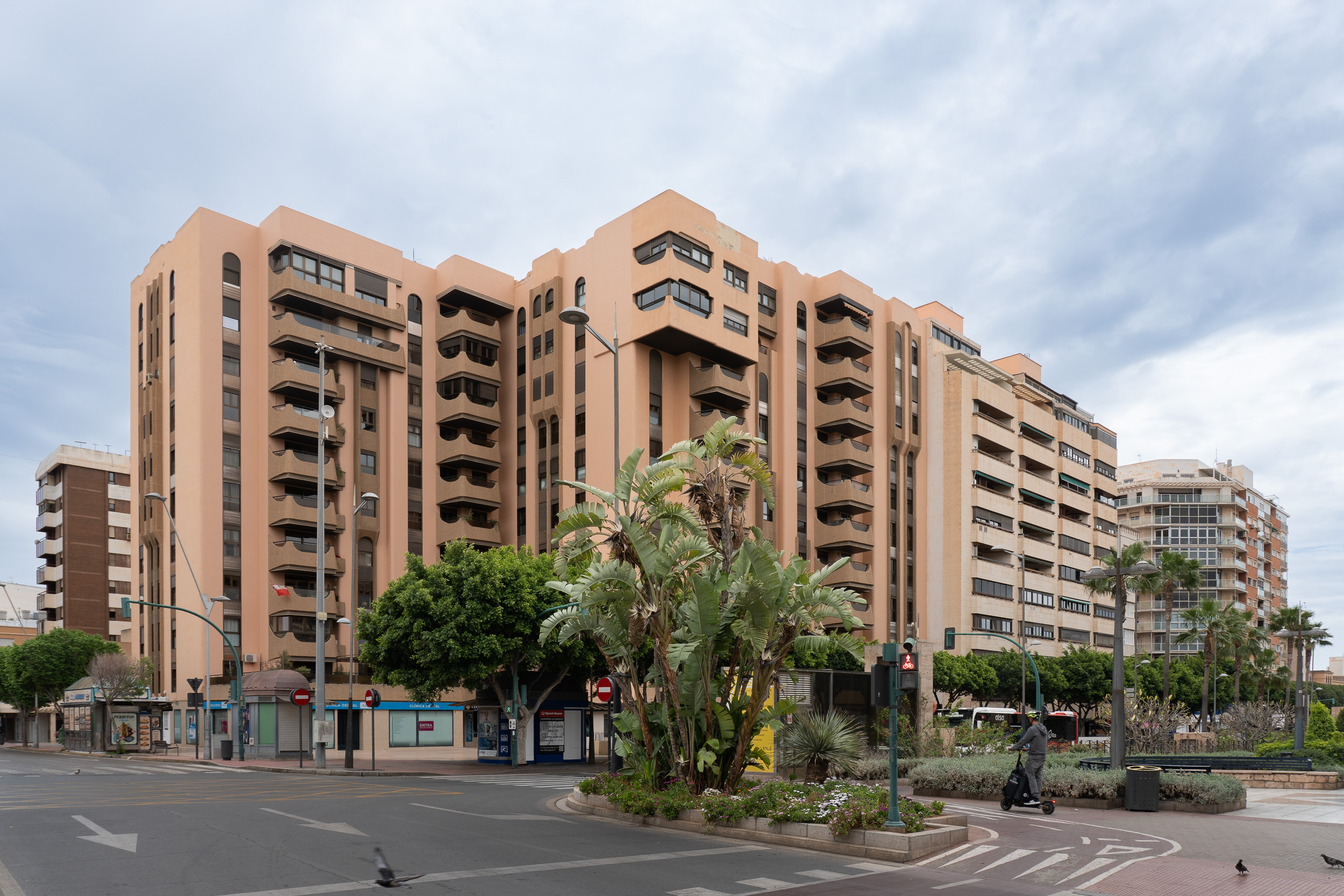
However, tourism has also transformed the coastline through concrete development and high-rise construction. It has affected local economies and residential neighbourhoods. Many local people can no longer afford to buy or rent apartments or houses and are forced to consider options such as co-living, leaving the city or moving to the outskirts.
The beginning of mass tourism
Andalusia was not a well-known tourist destination before the 1950s. Under the Franco regime, Spain promoted international tourism to attract foreign investment and stimulate economic growth. Rising incomes and paid holidays in northern Europe made international travel accessible to more people. Spain’s warm climate, relatively low prices and long coastline made it an attractive destination. Tourism also became a way for Spain to modernise its economy and catch up with the rest of Western Europe.
Along the Costa del Sol, towns such as Torremolinos, Benalmádena, Fuengirola, Marbella, Mijas and Estepona changed rapidly as hotels, apartment blocks, roads and holiday developments expanded.
The city of Málaga benefited from this because of its airport, port, railway connections and other services. The city initially remained mainly a provincial capital, commercial centre, port and industrial city. Its development as a sun-and-beach destination became more visible during the 1960s and 1970s.

Investment and outside interests
Early tourism development was mainly driven by investors, developers and political figures from outside Andalusia. They included foreign entrepreneurs and businesspeople from other parts of Spain, such as Catalonia, Valencia and Madrid. Many projects were supported or facilitated by the Franco regime.
Local businesses and landowners also participated, but many of the largest projects were financed or controlled from elsewhere. Andalucía provided the land, labour and natural environment. But important investment decisions were often made outside the region, and a significant part of the profits also went elsewhere.
The Andalusian economist Manuel Delgado Cabeza describes this history as “tourist colonisation”. He uses the term to explain how the region’s territory and labour served economic centres with greater financial and political power. It describes uneven regional development and economic dependency.
Employment and new opportunities versus unequal prosperity and rising housing costs
Tourism created opportunities for the Andalusian population as an alternative to agricultural work, which was often seasonal and poorly paid. It provided work in construction, hotels, restaurants, transport, retail and other services. Tourism also supported many small businesses, such as bars and restaurants.
But it did not guarantee prosperity for the entire local population. Many jobs in hospitality, cleaning and other tourist services remain seasonal or poorly paid. This becomes especially problematic when housing costs rise much faster than local wages.
This phenomenon is known as gentrification: wealthier residents are attracted to the area, causing housing prices and the cost of living to rise sharply. As a result, original residents can no longer afford to continue living in the same city or neighborhood.
The transformation of the coastline at an ecological cost
The expansion of tourism was closely connected to large-scale construction along the coastline. This included hotels, holiday apartments, second homes, marinas, golf courses and residential complexes.
In many coastal municipalities, large parts of the land closest to the sea have been urbanised. Natural landscapes and agricultural areas have been reduced or replaced by buildings and infrastructure. Greenpeace argues that this development has contributed to erosion and the loss of natural habitats.
Tourism also increases demand for water and energy, while putting extra pressure on transport and waste collection, especially during the busiest months.
Tourism moves into residential neighbourhoods
Tourism was once concentrated mainly in hotels and resorts. Digital platforms such as Airbnb and Booking have made it easier to convert ordinary apartments and houses into short-term accommodation. As a result, tourism has expanded into historic centres and residential neighbourhoods. One example is La Trinidad in Málaga, which is very close to the city centre and is often advertised as being “in the centre”.
For an individual landlord, tourist rental can be financially attractive. A property rented by the night may generate considerably more gross income than the same home offered on a long-term contract. However, when many owners make that decision, fewer homes remain available to permanent residents. This puts pressure on rental prices and makes it harder for local workers and younger people to find housing. They may be forced to live on the outskirts, outside the city or with a flatmate.
Touristification also affects more than housing prices. It can alter the character and daily life of a neighbourhood. When permanent residents are replaced by a frequently changing visitor population, community networks can weaken. Local shops may be replaced by luggage-storage services, souvenir shops, tourist restaurants and other businesses aimed at visitors.
Renovation and investment can improve the outward appearance of an area. Abandoned buildings may be restored, streets may receive more attention and new businesses can open. But these improvements do not necessarily benefit everyone equally. A neighbourhood may look cleaner, more modern and more valuable. But at the same time, it becomes less affordable to the people who have lived there for years.
Where does the money go?
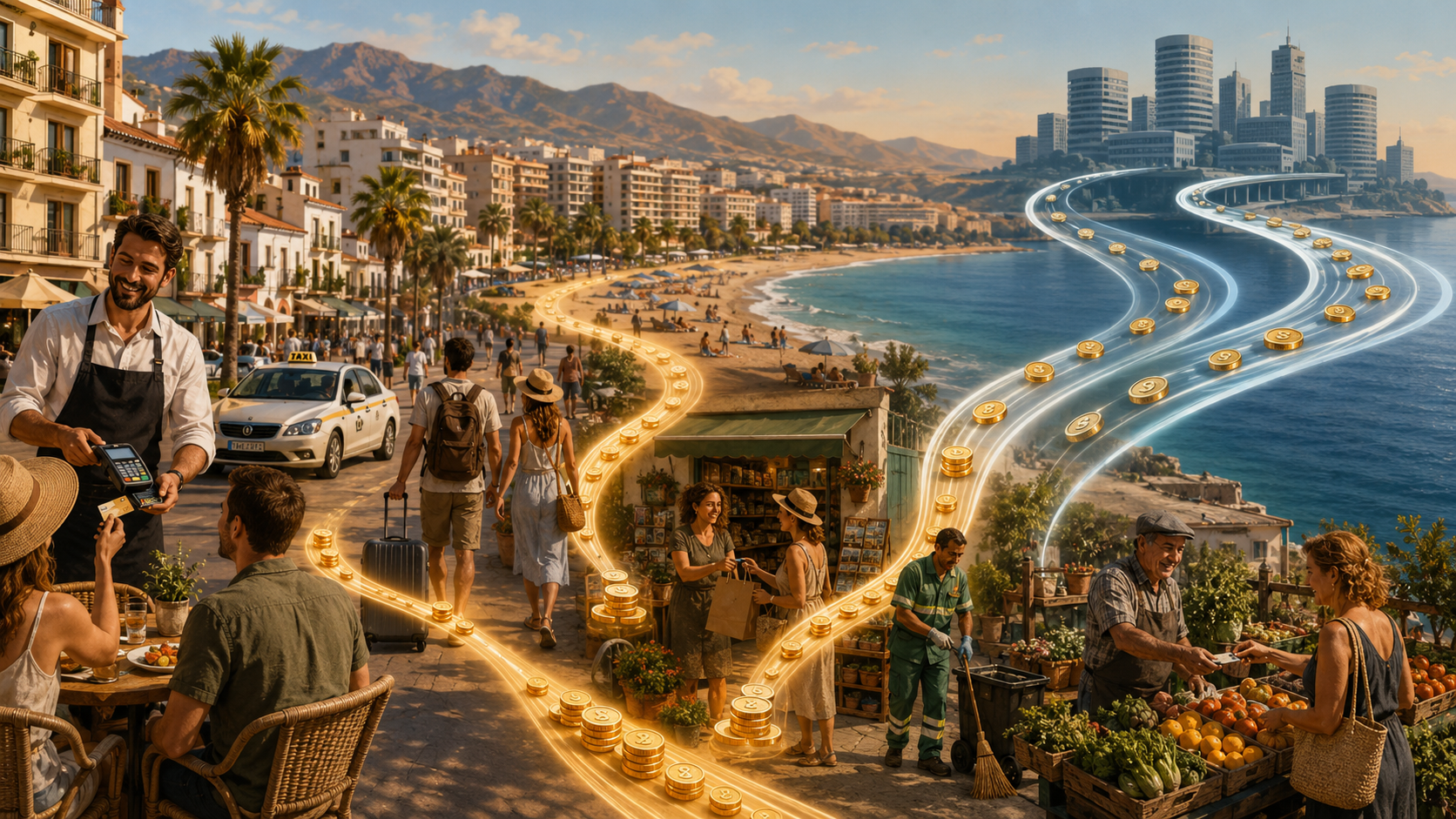
It is often said that tourism creates wealth. That is true, but it does not explain how that wealth is distributed. To put it more simply: where does the money go?
Part of it remains in Andalusia through wages, taxes, local suppliers and visitor spending. Small local businesses may depend directly on tourism. At the same time, international hotel chains, booking platforms and investment companies may be based elsewhere. Part of the income generated by Andalusian land, infrastructure and labour leaves the local economy.
Local communities also pay the price through expensive housing, traffic congestion, water consumption, environmental damage, street noise and pressure on public services such as transport.
Finding a better balance
Discussing the consequences for the Andalusian people does not mean blaming tourists or rejecting tourism altogether. Tourism is deeply connected to the Andalusian economy and has brought opportunities that should not be dismissed. But economic growth cannot be the only definition of success.
The future challenge is to find a better balance: welcoming visitors while protecting housing, neighbourhood life, local culture and the natural environment that made Andalusia attractive in the first place. Natural areas also need protection, while water, transport and public space should be managed according to environmental limits and the needs of residents.
The challenge is to prevent successful destinations from becoming inaccessible to their own residents. Possible measures include limiting new tourist accommodation in saturated areas, enforcing licensing rules, protecting residential housing and investing in affordable homes.
Individual tourists and property owners can take responsibility for their own choices, but politicians have the greatest power to make real change possible and help keep Andalusia liveable for Andalusians.
Sources and further reading
- Manuel Delgado Cabeza, “Sobre la colonización turística de Andalucía”, Revista de Economía Crítica, issue 41, 2026.
- Gema Zamarreño-Aramendia et al., “Spanish Tourist Industry During Franco’s Regime”, Culture & History Digital Journal, CSIC, 2024.
- Spanish National Statistics Institute, Tourism Satellite Account of Spain, 2024 figures.
- Spanish National Statistics Institute, Measurement of Tourist Housing in Spain.
- Greenpeace Spain, “Basta de turismo depredador” and Destrucción a toda costa 2025.
This article also includes personal observations and commentary by Andaluseeya.
Related articles
Touristification in Málaga’s La Trinidad neighbourhood